If you have undergone a facelift but are dissatisfied with the outcome, or if the results of a previous facelift have changed with continued aging, revision facelift surgery may provide an opportunity to restore more natural facial balance, contour, and structural support. Patients may seek revision surgery because of incomplete correction, recurrent facial or neck laxity, visible scarring, asymmetry, an unnatural or overly tight appearance, or structural concerns resulting from an earlier procedure.
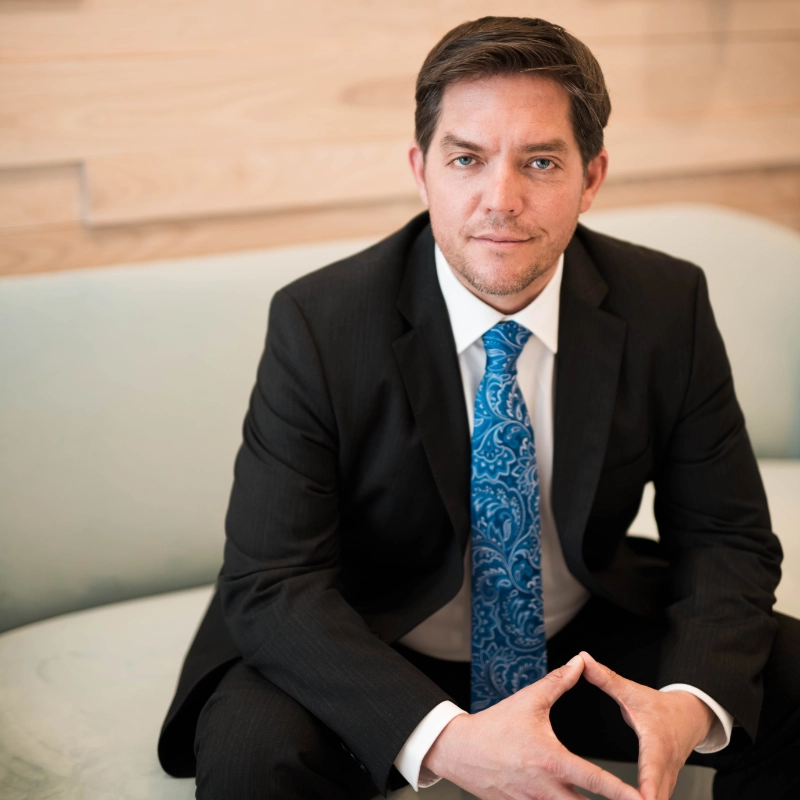
At Kalos Facial Plastic Surgery in Atlanta, Dr. Benjamin C. Stong is a double board-certified facial plastic surgeon specializing exclusively in surgery of the face, head, and neck. He performs complex revision facelift surgery for patients who have previously undergone many different types of facelift procedures, including traditional facelifts, SMAS facelifts, mini facelifts, neck lifts, and deep plane facelifts.
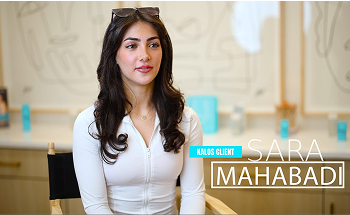
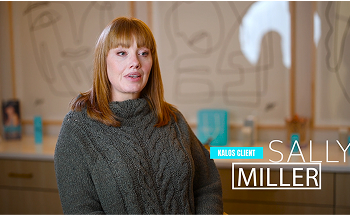
Dr. Stong did an amazing job. I had an eyebrow lift, eyelids, face and neck lift. It’s only been 3.5 weeks and I am thrilled with the new me already! He is highly qualified and I recommend him without hesitation. He and his office staff are professional, available and eager to make your experience a positive one.
Dr. Stong is the founder of the Advanced Deep Plane Facelift Center of Excellence at Kalos Facial Plastic Surgery, where his work focuses on advanced structural approaches to facial rejuvenation. He completed fellowship training in Facial Plastic and Reconstructive Surgery with internationally recognized facelift surgeon Dr. Andrew Jacono, and his academic work has included published research involving deep plane facelift and midface lift techniques, lower eyelid-cheek contour, and perioperative hyperbaric oxygen therapy.
Regardless of the technique used during a patient’s original facelift, Dr. Stong performs revision facelift surgery using his KalosLift Advanced Deep Plane Facelift technique. This is a fundamental component of his approach to revision surgery. The extensive release, mobilization, repositioning, and structural support possible with the KalosLift provide Dr. Stong with a comprehensive approach for addressing facial anatomy that has already been altered by previous surgery.
What changes from one revision patient to another is not the fundamental facelift technique Dr. Stong uses, but the anatomical problems that must be corrected. Existing scar tissue, previous incisions, prior SMAS manipulation, the extent and direction of previous tissue elevation, midface position, facial retaining ligaments, platysma and neck anatomy, and previous fixation methods must all be carefully evaluated when planning revision surgery.
The objective is not simply to tighten the face again. Dr. Stong uses the KalosLift Advanced Deep Plane Facelift to address the deeper structural causes of the patient’s concerns while restoring facial support, improving contour, preserving natural expression, and maintaining the individual character of the patient’s face.

What Is a Revision Facelift?
A revision facelift, sometimes referred to as a secondary or corrective facelift, is performed after a previous facelift to address concerns with the original result, changes that have developed with continued facial aging, or a combination of both.
Revision facelift surgery is typically more complex than primary facelift surgery because the surgeon is operating on tissues that have already been surgically altered. Scar tissue may be present beneath the skin, normal anatomical planes may have changed, the SMAS or platysma may have been previously tightened, repositioned, or otherwise modified, and previous incisions or tissue removal can affect the anatomy being revised.
For these reasons, successful revision surgery requires a detailed understanding of both normal facial anatomy and the ways in which different facelift procedures can alter that anatomy.
Dr. Stong begins by evaluating what appears to have been performed during the original procedure, how the facial tissues are currently positioned, and which anatomical structures are contributing to the patient’s concerns. When available, information about the previous operation can also help guide revision planning.
The goal is not simply to repeat the previous procedure. Dr. Stong uses his KalosLift Advanced Deep Plane Facelift as the structural foundation of the revision while customizing the operation to address the unique effects of the patient’s previous surgery and current facial anatomy.
Why Patients Seek Revision Facelift Surgery
There are many reasons a patient may consider a secondary facelift. Some patients are dissatisfied with aspects of their initial surgical result, while others enjoyed their original outcome but have experienced additional facial aging over time.
Patients may seek revision facelift surgery for concerns including:
- Persistent or recurrent jowling, facial laxity, or neck laxity
- An overly tight, pulled, or windswept appearance
- Facial or neck asymmetry
- Inadequate midface elevation
- Loss of cheek support or youthful facial proportions
- Poor jawline or neck definition
- Visible or poorly positioned scars
- Distorted or stretched earlobes, including pixie ear deformity
- Irregular facial contours or volume distribution
- Incomplete correction from the previous facelift
- Changes that have developed as facial aging has continued
- Dissatisfaction with the outcome of a previous deep plane facelift
- A desire for further rejuvenation years after a previous successful facelift
Some patients seek revision after an unsatisfactory result once their tissues have adequately healed and stabilized. Others pursue secondary facelift surgery many years after their original procedure because the natural aging process has continued.


Revision of Deep Plane Facelifts and Other Facelift Techniques
Dr. Stong performs revision surgery for patients who have undergone many different types of previous facelift procedures. This includes traditional skin-based facelifts, SMAS plication and imbrication facelifts, mini facelifts, neck lifts, and deep plane facelifts.
Regardless of the original technique, Dr. Stong performs his revision facelifts using the KalosLift Advanced Deep Plane Facelift.
This distinction is important. The previous facelift technique determines the anatomy Dr. Stong encounters and the problems that may need to be corrected, but it does not determine which fundamental facelift technique he uses for the revision.
The KalosLift allows Dr. Stong to work at the deeper structural level of the face through extensive release and mobilization of the SMAS and associated facial structures. Rather than relying primarily on additional skin tightening or limited SMAS plication or imbrication, the goal is to mobilize and reposition the deeper facial support system.
This structural approach provides Dr. Stong with the ability to address multiple components of facial aging and previous facelift surgery, including the midface, cheeks, jawline, neck, SMAS, platysma, and facial retaining ligaments as indicated by the individual patient’s anatomy.
Revising a Previous Deep Plane Facelift
Dr. Stong also performs revision surgery for patients who have previously undergone deep plane facelift procedures.
The term “deep plane facelift” can encompass differences in surgical release, SMAS mobilization, direction of elevation, midface treatment, neck treatment, and methods of fixation. Therefore, a previous procedure being described as a deep plane facelift does not necessarily mean that the facial structures were released, repositioned, or supported in the same manner used in Dr. Stong’s KalosLift Advanced Deep Plane Facelift.
When evaluating a previous deep plane facelift, Dr. Stong considers the position and mobility of the SMAS, the extent of previous ligament release, midface position, cheek-eyelid support, jawline and neck contour, platysma anatomy, scar tissue, and the fixation used during the original operation.
He then uses the KalosLift Advanced Deep Plane Facelift to address the specific structural concerns identified during the evaluation. For Dr. Stong, the question in revision surgery is therefore not which facelift technique to perform. The question is what anatomical problems remain or have developed following the previous surgery and how the KalosLift is customized to address them.

The KalosLift Advanced Deep Plane Facelift for Revision Surgery
Dr. Stong developed the KalosLift as a comprehensive structural approach to advanced deep plane facelift surgery.
The technique builds upon deep plane facelift principles through extensive release and repositioning of the deeper facial support structures. Depending on the anatomy encountered during revision surgery, this can include comprehensive SMAS mobilization, extended midface elevation, advanced neck and platysma work, and structural fixation of the repositioned facial tissues. This becomes especially important in revision surgery because simply placing additional tension on previously operated skin or soft tissues may not address the underlying anatomical problem.
By releasing and repositioning deeper structures, Dr. Stong can approach the revision as a reconstruction of facial support rather than simply another tightening procedure.
Advanced Midface Elevation and Cheek Repositioning
The midface is an important component of Dr. Stong’s KalosLift Advanced Deep Plane Facelift. Through extensive release of the facial retaining ligaments and mobilization of the SMAS, the midface can be elevated vertically to restore support to facial tissues that have descended with age or may not have been adequately addressed during a previous facelift.
Vertical midface elevation can improve cheek position and support the cheek-eyelid junction. By restoring support beneath the lower eyelid, elevation of the midface may shorten the vertical height of the lower eyelid, improve hollowing around the lower eyelid, and create a smoother transition between the eyelid and cheek.
More extensive SMAS mobilization also allows controlled temporolateral repositioning of the patient’s own soft tissues over the cheekbone. This can restore natural cheekbone definition and improve midface volume distribution without relying on fat transfers, implants or injectable fillers for cheek enhancement. In a revision patient, these capabilities can be particularly relevant when the original procedure concentrated primarily on lateral tightening or the lower face without adequately restoring the midface.
SMAS Periosteal Fixation
A defining component of Dr. Stong’s KalosLift Advanced Deep Plane Facelift is SMAS periosteal fixation.
The SMAS, or superficial musculoaponeurotic system, is an important structural layer supporting the facial soft tissues. With aging, this layer can descend along with other facial structures.
Many facelift procedures reposition the SMAS using SMAS-to-SMAS plication or imbrication. Dr. Stong’s approach instead incorporates fixation of the repositioned SMAS to the periosteum, the strong connective tissue layer covering the facial bones. Fixation points can include stable skeletal structures along the zygoma, or cheekbone, and the mastoid region behind the ear.
Because the periosteum provides a stable structural anchor, this approach is designed to support the repositioned facial tissues on a strong anatomical foundation rather than relying exclusively on fixation to other soft tissues.
In revision surgery, where the SMAS and surrounding tissues may already have been altered by a previous operation, structural fixation is an important component of Dr. Stong’s approach to restoring facial support.
Advanced Revision of the Jawline and Neck
The jawline and neck are common reasons patients seek revision facelift surgery. Previous procedures may have provided incomplete correction, recurrent laxity may have developed, or the original operation may have relied primarily on skin tightening or limited platysma modification.
Dr. Stong’s KalosLift approach incorporates advanced platysma elevation and neck contouring as part of the overall structural rejuvenation of the face.
Rather than treating the face and neck as completely separate areas, Dr. Stong connects the sub-SMAS dissection from the cheek into the neck and mobilizes the platysma to allow more comprehensive repositioning of the facial and neck tissues.
His advanced neck technique includes complete medial and lateral platysma elevation along with extended myotomies and platysmaplasty techniques. Extended myotomies allow for redistribution of tension within the platysma and greater definition of the cervicomental angle, helping create cleaner jawline definition and a sharper, more refined neck contour.
The specific neck work required during revision surgery depends upon the patient’s anatomy and the effects of the previous procedure, but advanced platysma mobilization remains an integral component of Dr. Stong’s KalosLift approach.
Advanced Deep Plane Facelift Center of Excellence
Dr. Stong is the founder of the Advanced Deep Plane Facelift Center of Excellence at Kalos Facial Plastic Surgery in Atlanta.
The Center of Excellence focuses on advancing structural facial rejuvenation beyond more limited facelift approaches through techniques including extensive SMAS and ligament release, vertical midface elevation, comprehensive SMAS repositioning, SMAS periosteal fixation, advanced platysma elevation, extended myotomies, and comprehensive neck rejuvenation.
These same principles form the foundation of Dr. Stong’s approach to revision facelift surgery. Revision cases present additional challenges because previous surgery can alter normal tissue planes, create scar tissue, change the position of the SMAS and platysma, and affect the quality of tissue available for repositioning.
Dr. Stong’s experience with advanced deep plane anatomy allows him to evaluate these changes and use the KalosLift Advanced Deep Plane Facelift to develop a revision plan specific to the patient’s existing anatomy.
Dr. Benjamin Stong: Atlanta Revision Facelift Specialist
Revision facelift surgery combines two areas central to Dr. Stong’s practice: complex facial plastic surgery and advanced structural facial rejuvenation. Key elements of his approach include:
- Revision of traditional, SMAS, mini, neck lift, and deep plane facelift procedures
- Exclusive use of the KalosLift Advanced Deep Plane Facelift as the foundation for revision facelift surgery
- Detailed evaluation of scar tissue and anatomical changes created by previous surgery
- Extensive release and mobilization of deeper facial structures
- Vertical midface elevation and advanced cheek repositioning
- SMAS periosteal fixation to stable skeletal structures
- Advanced platysma elevation, extended myotomies, and neck rejuvenation
- Surgical planning focused on natural facial balance rather than excessive skin tension
- Comprehensive assessment of the midface, lower face, jawline, neck, and eyelid-cheek relationship
- Individualized treatment based on each patient’s anatomy, previous surgery, aging pattern, and aesthetic goals
Experience, Training, and Research in Advanced Facial Rejuvenation
Dr. Stong is a double board-certified facial plastic surgeon whose practice is focused exclusively on procedures of the face, head, and neck.
He completed fellowship training in Facial Plastic and Reconstructive Surgery with internationally recognized facelift surgeon Dr. Andrew Jacono. His academic work has included published research addressing areas directly related to advanced facial rejuvenation, including deep plane facelift and midface lift techniques, lower eyelid-cheek contour following midface elevation, and perioperative hyperbaric oxygen therapy.
Combined with his clinical work through the Advanced Deep Plane Facelift Center of Excellence, this background provides Dr. Stong with an extensive understanding of the interconnected anatomy of the midface, cheeks, lower eyelids, lower face, jawline, and neck. This anatomical expertise is particularly important in revision surgery because the surgeon must understand not only normal facial anatomy but how the anatomy may have been altered by one or more previous operations.
What to Expect During a Revision Facelift Consultation
Every revision facelift begins with a comprehensive consultation with Dr. Stong at Kalos Facial Plastic Surgery in Atlanta.
The evaluation includes the patient’s previous facelift history, existing scars, facial anatomy, SMAS and midface position, jawline and neck contour, areas of concern, and aesthetic goals.
Whenever available, patients are encouraged to provide operative reports or other records from previous facelift procedures. Information about what was performed can be helpful when evaluating how the anatomy was altered and planning the revision.
Dr. Stong then uses his KalosLift Advanced Deep Plane Facelift to customize and address the patient’s specific anatomy and the effects of the previous surgery. Because revision cases can vary substantially in complexity, the exact surgical plan, complementary procedures, surgical time, and recovery are individualized for each patient.
Advanced Postoperative Recovery Protocols
Postoperative care is an important component of Dr. Stong’s approach to revision facelift surgery. Previously operated facial tissues may contain scar tissue and anatomical changes from earlier surgery, making careful postoperative management particularly important.
As part of the Advanced Deep Plane Facelift Center of Excellence, Dr. Stong incorporates medical-grade hyperbaric oxygen therapy into postoperative recovery protocols.
Unlike lower-pressure systems commonly marketed for general wellness, medical-grade hyperbaric oxygen therapy is delivered in a certified hyperbaric chamber at therapeutic pressure levels. This allows increased oxygen delivery to healing tissues and is used as part of Dr. Stong’s structured approach to supporting postoperative healing.
Dr. Stong’s academic work has also included published research involving perioperative hyperbaric oxygen therapy in facelift patients, providing additional clinical context for its incorporation into his postoperative protocols. Hyperbaric oxygen therapy is appropriate for most individuals undergoing a revision facelift procedure to speed up their recovery.
Is Revision Facelift Surgery Right for You?
Candidates for revision facelift surgery may include patients who:
- Are dissatisfied with the appearance of a previous facelift
- Have recurrent facial or neck laxity following previous surgery
- Have undergone a previous deep plane facelift and are seeking correction or additional rejuvenation
- Previously underwent a traditional, SMAS, mini, or other facelift technique
- Have facial asymmetry or irregular contours following surgery
- Have visible or poorly positioned scars
- Have distorted or stretched earlobes following a previous facelift
- Feel their original procedure did not adequately address the midface, cheeks, jawline, or neck
- Have experienced continued facial aging years after a previous successful facelift
- Are in appropriate general health for elective facial surgery and have realistic expectations
Revision surgery should generally be considered after the tissues from the previous procedure have had sufficient time to heal and stabilize. Dr. Stong determines appropriate timing based on the previous surgery and each patient’s individual circumstances.
Real Revision Facelift Results
Revision facelift surgery requires more than repeating the original procedure or applying additional tension to the skin. It requires identifying how the previous surgery changed the anatomy, determining which structural concerns remain, and developing a surgical plan capable of addressing those concerns.
Dr. Stong uses the KalosLift Advanced Deep Plane Facelift for revision surgery with the goal of restoring structural facial support, improving facial and neck contour, and preserving natural expression and individual facial identity.
Patients considering revision facelift surgery are encouraged to review Dr. Stong’s facelift before-and-after gallery to see documented patient outcomes and examples of his approach to natural facial rejuvenation.
View Facelift Before-and-After Photos
Frequently Asked Questions About Revision Facelift Surgery
Revision facelift surgery is generally considered after the tissues from the original procedure have had sufficient time to heal and stabilize. In many cases, this may mean waiting approximately 6 to 12 months, although the appropriate timing depends on the original procedure, the concern being corrected, and the individual patient’s healing. Dr. Stong evaluates each case individually to determine when revision surgery is appropriate.
Yes. Dr. Stong performs revision surgery for patients who have previously undergone deep plane facelifts as well as traditional facelifts, SMAS facelifts, mini facelifts, and neck lifts. Regardless of the technique used during the original surgery, Dr. Stong performs revision facelifts using his KalosLift Advanced Deep Plane Facelift technique.
Because the KalosLift Advanced Deep Plane Facelift corrects all facets of facial aging in the cheeks and neck, it is the ideal surgery to correct deficiencies from other surgeries. The KalosLift allows Dr. Stong to extensively release, mobilize, and reposition the deeper facial support structures rather than relying primarily on additional skin tightening or limited SMAS plication or imbrication. This structural approach gives him the ability to address the midface, cheeks, jawline, neck, SMAS, platysma, and facial retaining ligaments according to the anatomical changes created by the patient’s previous surgery.
Yes, although more aged skin and soft tissues in general drop relatively faster than younger tissues. The longevity of revision facelift results varies based on the patient’s anatomy, previous surgery, aging pattern, skin quality, lifestyle, and other individual factors. Dr. Stong uses his KalosLift Advanced Deep Plane Facelift for revision surgery, including extensive structural repositioning and SMAS periosteal fixation, with the goal of creating stable facial support and long-lasting rejuvenation. No facelift, however, stops the natural aging process therefore we recommend restoring elasticity in skin with radiofrequency energy after facelifts.
Revision facelift surgery is generally more complex because the surgeon is operating on tissues that have already been surgically altered. Scar tissue, previous incisions, altered tissue planes, and prior manipulation of the SMAS, platysma, and other facial structures can affect surgical planning. Dr. Stong evaluates these changes when customizing the KalosLift Advanced Deep Plane Facelift for each revision patient.
Depending on the patient’s anatomy and previous surgery, revision facelift surgery may address concerns such as visible or poorly positioned scars, stretched earlobes, pixie ear deformity, asymmetry, and other irregularities resulting from a previous procedure. Dr. Stong evaluates each concern during the revision facelift consultation to determine what can realistically be improved.
Yes, depending on the patient’s anatomy and previous surgery. Dr. Stong’s KalosLift incorporates advanced neck techniques including medial and lateral platysma elevation, extended myotomies, and platysmaplasty techniques designed to improve jawline definition and create a sharper cervicomental angle.
Yes. As part of the postoperative recovery protocol at the Advanced Deep Plane Facelift Center of Excellence, Dr. Stong incorporates medical-grade hyperbaric oxygen therapy for revision facelift patients to support healing and postoperative recovery.
Revision facelift surgery is highly individualized because the complexity of the procedure depends on the patient’s previous surgery, existing anatomy, and the corrections required. Following an evaluation, Kalos Facial Plastic Surgery can provide a personalized surgical plan and detailed cost estimate. Financing options are available.
About Benjamin C. Stong MD & Kalos Facial Plastic Surgery LLC
Kalos Facial Plastic Surgery LLC is owned and led by Dr. Benjamin Stong, a world-class facial plastic surgeon with highly esteemed training, experience and recognition in his field. When it comes to the full range of facial plastic surgeries and skin rejuvenation procedures that Kalos offers, Dr. Stong understands the careful blend of art and science that it takes to create exceptional, natural-looking results.

Schedule a Revision Facelift Consultation in Atlanta
Patients considering revision facelift surgery can meet virtually or in person with Dr. Benjamin Stong at Kalos Facial Plastic Surgery in Atlanta to discuss their previous procedure, current concerns, and revision options using the KalosLift Advanced Deep Plane Facelift. Call us or contact us online to book your private consultation.
Kalos Facial Plastic Surgery serves patients from Atlanta, Buckhead, throughout Georgia, and patients traveling from across the United States and internationally for advanced facial rejuvenation and revision facelift surgery.
Medically reviewed by Benjamin C. Stong MD on