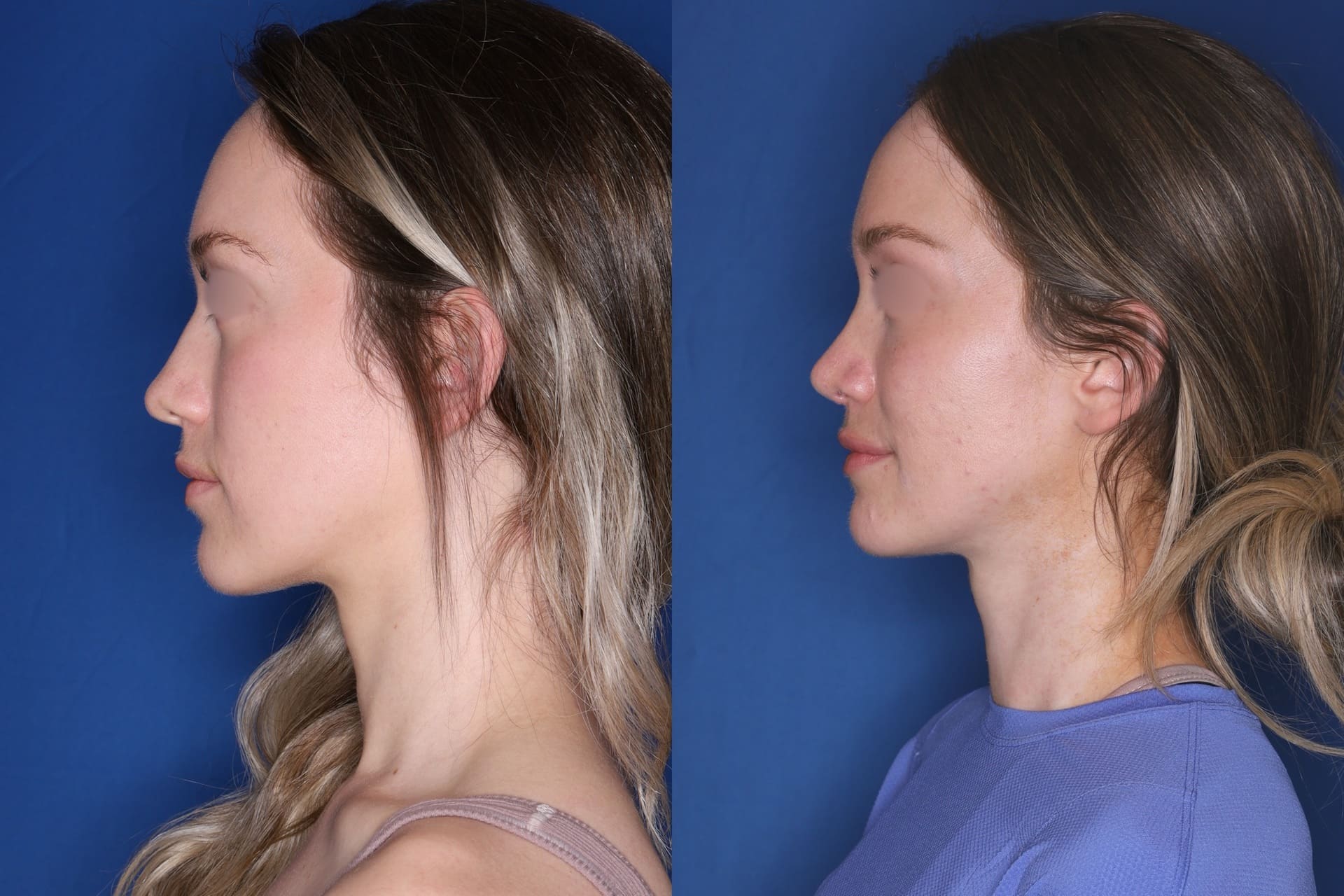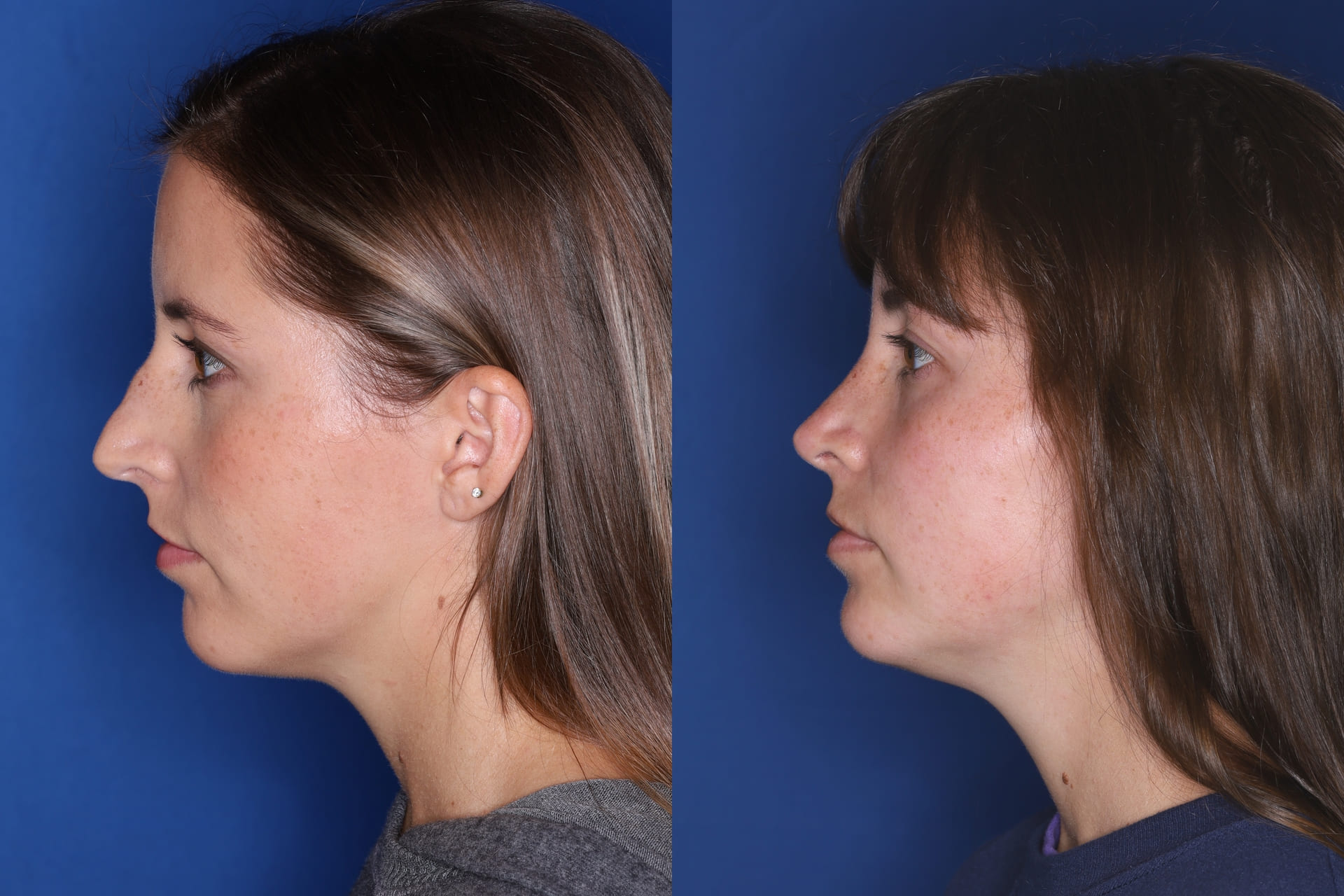
Atlanta Rhinoplasty Specialist, Dr. Benjamin Stong
Rhinoplasty is one of the most technically sophisticated procedures in facial plastic surgery because even subtle changes to the nose can dramatically influence the balance of the entire face. At Kalos Facial Plastic Surgery, Dr. Benjamin Stong approaches rhinoplasty as far more than simply reducing a bump or refining a tip. As a dual board-certified, fellowship-trained facial plastic and reconstructive surgeon with advanced training under internationally recognized facial plastic surgeon Dr. Andrew Jacono, Dr. Stong performs rhinoplasty with a comprehensive philosophy centered on facial harmony, structural precision, and highly customized aesthetic refinement.
Dr. Stong believes the nose should blend into the background of the face rather than dominate it. This principle guides every rhinoplasty procedure performed at Kalos Facial Plastic Surgery. Instead of focusing on isolated changes to one portion of the nose, Dr. Stong carefully evaluates how every adjustment affects surrounding facial structures, including the eyes, cheeks, lips, jawline, forehead, and profile balance. He understands that changing one area of the nose without appropriately balancing the surrounding anatomy can unintentionally make other features appear larger, heavier, or disproportionate.
For this reason, Dr. Stong takes a highly individualized, top-down approach to rhinoplasty surgery. His goal is not to create a standardized or templated nose, but rather to create elegant balance throughout the face while tailoring the result to each patient’s anatomy, aesthetic preferences, and personal goals. Some patients desire subtle refinement, while others may seek more dramatic changes to bridge contour, projection, tip definition, or profile shape. Dr. Stong believes successful rhinoplasty is not defined by one singular aesthetic philosophy, but rather by how precisely the surgical result aligns with the individual patient’s vision while maintaining structural integrity and facial harmony.
Patients seeking rhinoplasty or nose reshaping in Atlanta, Buckhead, Alpharetta, Sandy Springs, Roswell, Marietta, throughout Georgia, and across the country often choose Dr. Stong because of his reputation for sophisticated facial results, advanced surgical expertise, and highly customized rhinoplasty planning.
A Holistic Philosophy Toward Rhinoplasty
One of the defining aspects of Dr. Stong’s rhinoplasty philosophy is the understanding that the nose cannot be treated as a collection of isolated parts. The bridge, tip, nostrils, projection, rotation, and profile all interact with one another and with the surrounding facial anatomy. Altering one structure without properly addressing overall proportion can unintentionally disrupt facial harmony.
For example, reducing a dorsal hump without refining the tip may make the tip appear larger by comparison. Narrowing the bridge without maintaining structural balance can create an appearance that feels disconnected from the rest of the face. Similarly, the ideal amount of bridge contour, tip projection, or rotation varies significantly depending on the patient’s facial structure, ethnicity, gender characteristics, and personal aesthetic preferences.
Dr. Stong believes truly exceptional rhinoplasty requires technical precision, comprehensive planning, and a sophisticated understanding of facial aesthetics. However, he also recognizes that rhinoplasty is deeply personal, and patients may desire varying degrees of refinement. Some individuals may prefer subtle changes that softly enhance balance, while others may pursue a stronger bridge slope, increased definition, a narrower bridge, a narrower tip, or more dramatic contouring. Rather than applying a singular aesthetic style to every patient, Dr. Stong carefully tailors each procedure to the individual’s goals while maintaining harmony, proportion, and long-term structural support.
At Kalos Facial Plastic Surgery, rhinoplasty is approached as both an advanced reconstructive procedure and a highly individualized artistic process designed around the patient’s unique anatomy and aesthetic vision.
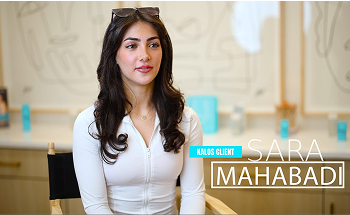
Dr. Stong did an amazing job. I had an eyebrow lift, eyelids, face and neck lift. It’s only been 3.5 weeks and I am thrilled with the new me already! He is highly qualified and I recommend him without hesitation. He and his office staff are professional, available and eager to make your experience a positive one.
Advanced Rhinoplasty Expertise and Surgical Training
Dr. Benjamin Stong’s rhinoplasty philosophy is grounded not only in aesthetic artistry, but also in advanced surgical training, academic research, and extensive study of facial anatomy and structural balance. He is among the relatively few facial plastic surgeons in Atlanta who are dual board-certified by both the American Board of Facial Plastic and Reconstructive Surgery and the American Board of Otolaryngology – Head & Neck Surgery.
Dr. Stong completed a prestigious fellowship in Facial Plastic and Reconstructive Surgery with Dr. Andrew Jacono, where he received advanced training in structural rhinoplasty, nasal reconstruction, complex nasal surgery, and sophisticated facial balancing techniques. His fellowship training focused extensively on the intricate relationship between nasal support, contour, projection, function, and long-term structural stability.
His expertise in nasal tip aesthetics and projection has also been recognized academically through his contribution to Medscape’s eMedicine publication, “Rhinoplasty, Nasal Tip Projection,” co-authored alongside renowned facial plastic surgeon Dr. Andrew Jacono. This publication explores the nuanced relationship between nasal tip support, projection, contour, balance, and structural refinement, concepts that remain central to Dr. Stong’s rhinoplasty philosophy today.
In addition to his clinical work, Dr. Stong has contributed to peer-reviewed research involving facial anatomy, soft tissue dynamics, perioperative healing, reconstructive surgery, and structural facial refinement. This academic foundation continues to influence his meticulous approach to rhinoplasty planning and execution.
Dr. Stong is also a Fellow of the American Academy of Facial Plastic and Reconstructive Surgery, a Diplomate of the American Board of Facial Plastic and Reconstructive Surgery, and an active member of the American Academy of Otolaryngology – Head & Neck Surgery. These distinctions reflect his ongoing commitment to advanced education, evolving surgical techniques, and excellence within the field of facial plastic surgery.
Structural Rhinoplasty and Customized Surgical Planning
Dr. Stong approaches rhinoplasty with a highly structural philosophy focused on precision, balance, and individualized refinement. In many rhinoplasty procedures, he carefully reshapes the individual structural subunits of the nose independently before restoring harmony across the nose as a whole. This meticulous structural approach allows for highly customized refinement of the bridge, tip, contour, projection, and profile while preserving structural support and long-term stability.
By approaching rhinoplasty at the structural level rather than relying on simplistic reduction techniques alone, Dr. Stong is able to tailor each procedure to the patient’s unique anatomy and aesthetic goals. Some patients may desire softer bridge contours and subtle refinement, while others may prefer more dramatic definition, narrowing, or profile shaping. His focus remains on achieving the patient’s desired aesthetic while maintaining structural integrity and facial harmony.
Modern rhinoplasty requires far more than cosmetic reshaping alone. Structural integrity plays a critical role in both aesthetics and function. Overly simplistic reduction techniques can weaken support over time and contribute to collapse, pinching, asymmetry, breathing difficulty, or imbalance as tissues heal and age.
Depending on the patient’s anatomy and goals, Dr. Stong may utilize advanced techniques involving tip refinement, dorsal hump reshaping, cartilage preservation, septoplasty, structural grafting, contour modification, or correction of asymmetry and deviation. Every rhinoplasty procedure at Kalos Facial Plastic Surgery is highly customized because no two patients share the same anatomy, facial proportions, or aesthetic preferences.
Rather than applying a templated “nose style,” Dr. Stong carefully develops a surgical plan designed specifically around the patient’s desired outcome while maintaining facial balance and structural integrity.
Facial Harmony and Aesthetic Balance
The nose occupies the center of the face, making rhinoplasty one of the most influential procedures in aesthetic facial surgery. Even small refinements can significantly alter how surrounding features are perceived. For this reason, Dr. Stong approaches every rhinoplasty with a comprehensive facial analysis rather than focusing solely on the nose itself.
During consultation and surgical planning, he carefully evaluates bridge height, nasal width, tip projection, nostril contour, chin position, jawline structure, forehead transition, skin thickness, breathing function, and overall profile balance. This top-down analysis allows him to understand how subtle or dramatic refinements can improve the relationship between all facial features rather than simply changing isolated nasal structures.
Dr. Stong believes the most sophisticated rhinoplasty outcomes are those that fit naturally within the face as a whole. In many cases, patients appear more balanced, refreshed, refined, or harmonious without the nose itself appearing disconnected from their natural facial identity.
Why Patients Choose Dr. Stong for Rhinoplasty in Atlanta
Patients frequently seek out Dr. Stong because of his highly specialized focus on facial plastic surgery and his reputation for balanced, individualized outcomes. Unlike surgeons who divide their practice across the entire body, Dr. Stong’s surgical work is concentrated exclusively on the face and neck. This focused specialization allows for a deeper understanding of facial proportion, nasal anatomy, aging, structural support, and aesthetic refinement.
Many rhinoplasty patients are concerned about losing their identity or ending up with results that do not fit their face naturally. Dr. Stong understands these concerns and intentionally approaches rhinoplasty with a philosophy rooted in customization rather than standardization. His goal is not to create the same nose for every patient, but rather to help each individual achieve their own aesthetic goals in a way that remains balanced and structurally sound. Patients are often drawn to Dr. Stong’s ability to combine advanced technical precision with artistic judgment and individualized planning. Whether a patient desires subtle refinement or more dramatic contour changes, the focus remains on creating results that feel harmonious, elegant, and authentic to the individual.
Personalized Rhinoplasty (Nose Job Surgery) in Adults
Rhinoplasty goals vary significantly from patient to patient. Some individuals desire subtle refinement and soft balance, while others may prefer a stronger bridge contour, increased tip definition, a narrower bridge, a narrower tip, or a more sculpted profile. Dr. Stong believes successful rhinoplasty is not defined by one singular aesthetic style, but rather by how precisely the surgical result aligns with the patient’s anatomy, personal preferences, and long-term goals.
Rather than applying a standardized concept of beauty, Dr. Stong carefully works with each patient to understand the features they would like to refine and the aesthetic they hope to achieve. This individualized approach allows for highly customized outcomes that may range from conservative refinement to more dramatic structural contouring, depending on the patient’s desires. The most successful rhinoplasty results are often those that improve balance and proportion while still feeling authentic to the patient’s facial identity. Achieving this level of customization requires both advanced technical expertise and a sophisticated understanding of facial aesthetics.
Dr. Stong’s expertise in Rhinoplasty:
- Large nose
- Crooked appearance
- Nasal hump
- Bulbous tip
- Wide nostrils

Ethnic Rhinoplasty
Ethnic rhinoplasty requires a sophisticated understanding of varying nasal anatomies, skin thicknesses, cartilage support patterns, and cultural aesthetic considerations. Dr. Stong approaches ethnic rhinoplasty with a preservation-focused philosophy that respects the patient’s heritage and individuality rather than attempting to create a generic or westernized appearance.
His goal is to refine balance and proportion while preserving the characteristics that make each patient unique. This individualized approach allows patients to achieve elegant improvement without sacrificing authenticity or identity.
Functional Rhinoplasty and Breathing Concerns
Rhinoplasty is not solely cosmetic. Many patients also experience functional concerns related to nasal obstruction, deviated septum, prior trauma, congenital asymmetry, or nasal valve collapse. Because of his extensive training in facial plastic surgery and otolaryngology-head and neck surgery, Dr. Stong is uniquely qualified to evaluate both the aesthetic and functional components of nasal surgery.
When appropriate, functional correction can be incorporated into the surgical plan to improve airflow and breathing while simultaneously enhancing aesthetics. Dr. Stong believes form and function should work together harmoniously rather than compete against one another.
Revision Rhinoplasty
Revision rhinoplasty is among the most technically demanding procedures in facial plastic surgery because prior surgery often alters the normal anatomy and structural support of the nose. Patients seeking revision rhinoplasty may present with scar tissue, asymmetry, breathing problems, collapse, over-resection, tip distortion, or dissatisfaction from previous procedures performed elsewhere.
Dr. Stong’s advanced reconstructive background and structural approach allow him to carefully analyze these complex cases and develop highly individualized revision strategies focused on restoring balance, support, function, and natural aesthetics.
Recovery After Rhinoplasty
Recovery following rhinoplasty varies depending on the complexity of the procedure and the patient’s anatomy, but Dr. Stong’s meticulous surgical techniques are designed to minimize unnecessary trauma while supporting optimal healing whenever possible.
Most patients experience swelling and bruising during the initial recovery period, followed by gradual refinement over the months that follow. While many improvements become visible relatively early, rhinoplasty healing is a progressive process as swelling resolves and the tissues continue to settle into their final shape.
Consistent with Kalos Facial Plastic Surgery’s comprehensive approach to surgical recovery, Dr. Stong may also incorporate advanced perioperative protocols, including hyperbaric oxygen therapy for patients who want enhanced healing protocols, as part of an overall philosophy focused on supporting healing, optimizing recovery, and minimizing downtime whenever possible.
Throughout recovery, the Kalos Facial Plastic Surgery team provides attentive postoperative guidance and personalized follow-up care to help patients heal comfortably and confidently.
Rhinoplasty Consultation with Dr. Benjamin Stong
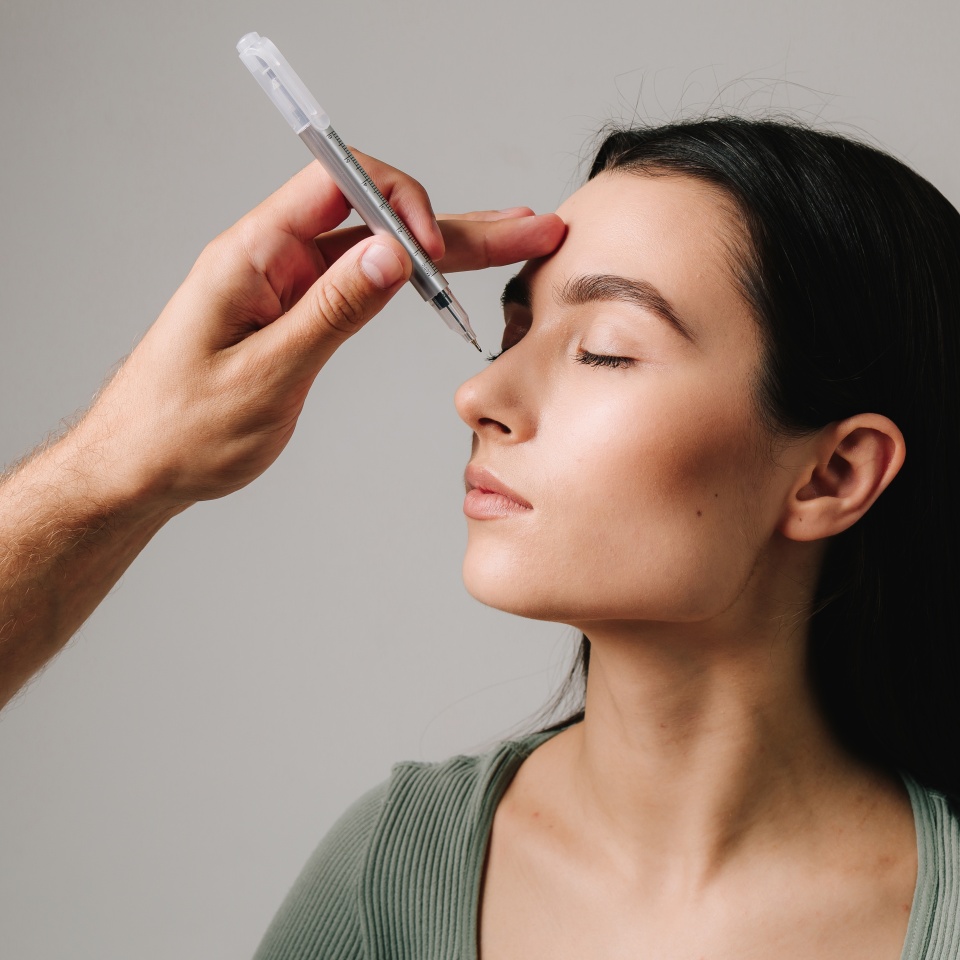
A rhinoplasty consultation with Dr. Stong is comprehensive, thoughtful, and highly individualized. During the consultation process, he carefully evaluates facial anatomy, nasal structure, breathing function, profile balance, skin characteristics, and aesthetic goals while utilizing advanced morphing software to help develop a customized surgical plan tailored to the patient’s face and preferences.
Patients frequently appreciate Dr. Stong’s honest and detail-oriented approach. Rather than imposing a singular aesthetic philosophy, he focuses on understanding the patient’s goals and developing a surgical plan that aligns with their desired appearance while maintaining balance, structural integrity, and long-term function. By combining advanced facial plastic surgery expertise with a sophisticated understanding of facial proportion, structural rhinoplasty, and aesthetic balance, Dr. Stong helps patients pursue rhinoplasty results that appear elegant, timeless, customized, and authentically their own.
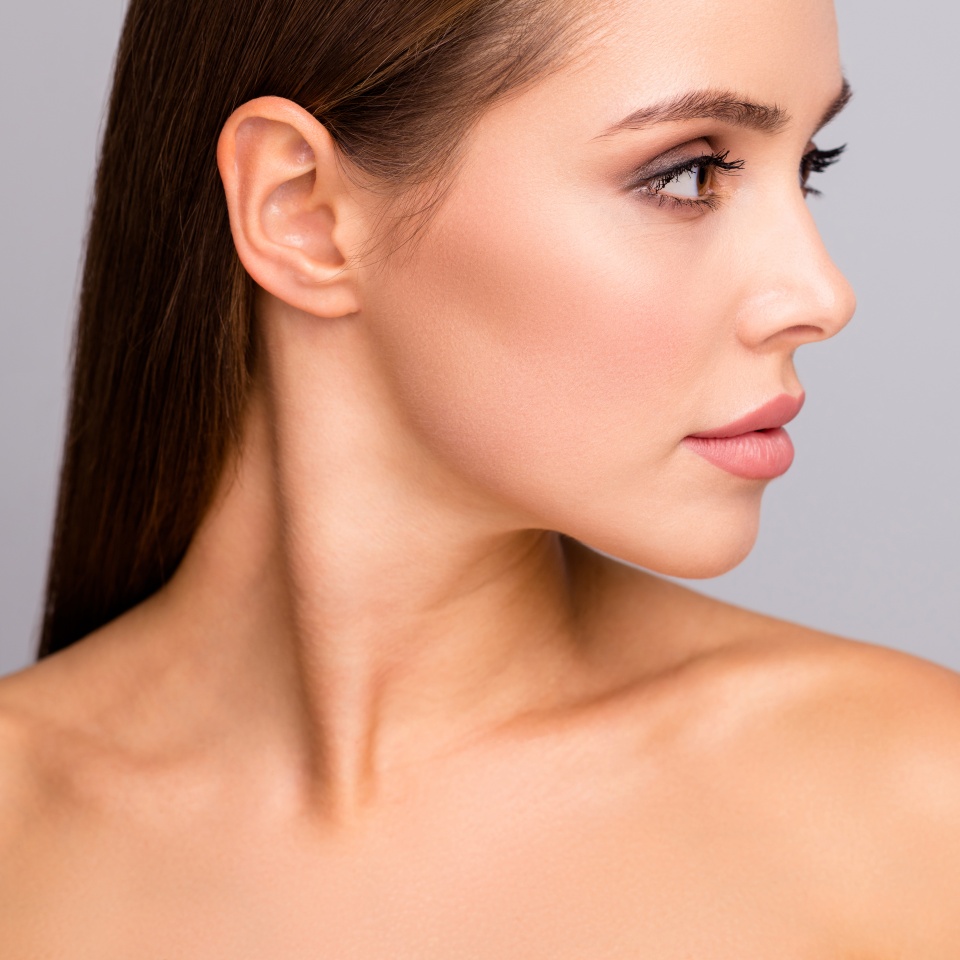
Trusted Facial Plastic Surgery in the Heart of Atlanta
Dr. Stong is highly skilled in both open and closed rhinoplasty techniques, including specialized procedures such as Asian rhinoplasty. His surgical artistry, combined with his deep understanding of facial anatomy, enables him to perform rhinoplasty with precision, ensuring that the results enhance your natural beauty without compromising nasal function.
We proudly serve patients from across the country and the Metro Atlanta area, including:
Rhinoplasty FAQs with Dr. Benjamin C. Stong
Dr. Stong approaches rhinoplasty with a highly individualized philosophy focused on creating results that fit naturally within the patient’s face and align with their personal aesthetic goals.
Yes. Functional concerns such as deviated septum, nasal obstruction, or nasal valve collapse can often be addressed during rhinoplasty surgery when appropriate.
Most patients experience significant improvement in bruising and swelling within the first few weeks, although subtle refinement continues over many months as healing progresses.
Determining your candidacy for rhinoplasty involves a thorough consultation with Dr. Stong, where he considers several factors, including the degree of nasal deformity, skin type, ethnicity, and age. As a dual board-certified facial plastic surgeon, Dr. Stong uses his expertise to recommend the most suitable surgical approach—whether open or closed rhinoplasty—based on your unique needs and desired outcomes. He also utilizes digital morphing software during consultations to help visualize potential results and ensure that your expectations are closely met.
Closed rhinoplasty, also known as scarless rhinoplasty, involves making incisions inside the nose to avoid visible scarring. This technique is ideal for patients who primarily need the nasal hump or bridge addressed and desire a less invasive procedure. While the closed approach is less precise for extensive tip reshaping, Dr. Stong’s expertise in this technique allows him to achieve excellent results for the right candidates.
Open rhinoplasty involves a small incision at the base of the nose, between the nostrils (the columella). This incision heals very well and is typically imperceptible. The open approach offers Dr. Stong enhanced visualization of the nasal structures, allowing for greater precision in reshaping and strengthening the nose. This method is generally preferred when more complex adjustments are needed, particularly in cases involving significant tip reshaping or structural support.
The open rhinoplasty technique provides Dr. Stong with better access to the nasal cartilages and bones, enabling the most precise control over the reshaping process. This approach is often preferred for achieving the most accurate and aesthetically pleasing results. While closed rhinoplasty may offer faster healing, open rhinoplasty allows for more comprehensive corrections, especially for complex nasal structures.
Tip plasty focuses solely on reshaping the nasal tip. Whether the tip is too round, wide, or drooping, Dr. Stong uses advanced techniques to refine its appearance, creating a soft, triangular shape that harmonizes with the rest of the nose. Although tip plasty alone is less common—since changes to the tip often require adjustments to the bridge or nasal bones—Dr. Stong’s expertise ensures that even minor refinements can significantly enhance your overall facial balance.
Tip plasty focuses solely on reshaping the nasal tip. Whether the tip is too round, wide, or drooping, Dr. Stong uses advanced techniques to refine its appearance, creating a soft, triangular shape that harmonizes with the rest of the nose. Although tip plasty alone is less common—since changes to the tip often require adjustments to the bridge or nasal bones—Dr. Stong’s expertise ensures that even minor refinements can significantly enhance your overall facial balance.
A cephalic trim involves reshaping the upper edge of the lower lateral cartilage, which can be particularly beneficial for patients with a bulbous nasal tip. Dr. Stong routinely performs this technique to refine the tip’s shape, create a slight upward rotation, and blend the tip seamlessly with the nasal bridge.
Various techniques can be employed to rotate the nasal tip or shorten the nose. For example, a cephalic trim of the upper lateral cartilage or a caudal septal trim can effectively raise the tip or reduce the nose’s length. Dr. Stong may also use the tongue-in-groove (TIG) technique to correct columellar show, increase tip projection, or achieve more extensive rotation. His meticulous approach ensures that the results are both functional and aesthetically pleasing.
Intradomal and interdomal sutures are used to reshape and refine the nasal tip by adjusting the positioning of the nasal domes. These suture techniques are essential for correcting a bulbous or bifid nasal tip, and Dr. Stong’s expertise in these methods ensures precise, natural-looking results.
Cartilage grafting, including shield and cap grafts, is often used in rhinoplasty to refine and project the nasal tip. Dr. Stong prefers the open rhinoplasty technique for graft placement, as it allows for more accurate positioning and fixation, minimizing the risk of graft movement. These grafts are particularly beneficial for patients with thicker skin, as they enhance the definition and projection of the nasal tip.
A columella strut is a cartilage graft placed between the medial crura of the columella to provide additional support and stability to the nasal tip. This technique is commonly used in open rhinoplasty, particularly when tip shaping requires extra support to maintain projection and prevent future drooping. Dr. Stong’s use of columella struts ensures a durable and aesthetically pleasing nasal tip.
Rib grafting may be necessary when extensive cartilage is required for nasal reconstruction, particularly in revision rhinoplasty cases where septal or ear cartilage is insufficient. Dr. Stong carefully considers each patient’s needs and may harvest rib cartilage from the patient or use an irradiated cadaver rib graft. While rib grafting can extend recovery time, it provides the structural integrity needed for complex nasal reshaping.
Septoplasty, which corrects a deviated septum, is often performed in conjunction with rhinoplasty to improve nasal breathing and provide cartilage for grafting. Dr. Stong, with his dual board certification in Otolaryngology and Facial Plastic Surgery, ensures that the septoplasty is seamlessly integrated into the rhinoplasty procedure, optimizing both the function and appearance of the nose.
A chin implant may be recommended in conjunction with rhinoplasty to achieve facial balance. The projection of the chin plays a significant role in how the nose is perceived. Dr. Stong uses chin implants to enhance chin projection, particularly in patients with a weak chin, ensuring that the nose and chin are in harmonious proportion.
Several patient factors can impact the outcome of rhinoplasty, including the strength and quality of the lower lateral cartilages, the size and shape of the nasal bones, and the thickness of the nasal skin. Patients with moderate skin thickness and strong nasal cartilages tend to have better results.
The recovery process from rhinoplasty is influenced by several factors, including the surgical technique used and the extent of the procedure. Whether Dr. Stong employs a closed or open rhinoplasty technique, whether the nasal bones are fractured, and the amount of work done on the nasal tip all play a role in determining recovery time. Generally, patients can expect to feel and look significantly better within 7 to 10 days. Healing is typically faster if the nasal bones are not broken, and endonasal (closed) rhinoplasty tends to have a shorter recovery period compared to open structure rhinoplasty. However, it’s important to note that closed rhinoplasty is more limited in its ability to achieve ideal post-operative results, especially for extensive nasal tip reshaping. Dr. Stong’s expertise ensures that regardless of the technique used, recovery is managed carefully to achieve optimal results with minimal downtime.
Unlike many surgeons who routinely pack the nose after surgery, Dr. Stong almost always avoids nasal packing to enhance patient comfort during recovery. Typically, there is only moderate bruising around the eyes, which usually resolves within 7 to 10 days. In cases of open rhinoplasty, sutures from the columella are removed within 4 to 5 days, and any external tape and the cast are removed at the 1-week mark. Most patients feel comfortable returning to work within 7 to 10 days after the cast is removed. However, it’s important to understand that while you will see significant improvements early on, the final results may take up to one year to fully settle as the nose continues to heal. Dr. Stong’s approach minimizes discomfort and promotes a smooth recovery process, allowing for the best possible outcome.
Yes, Dr. Stong does perform rhinoplasty for teenagers, but with careful consideration of their age and development. Teen rhinoplasty is generally recommended after the patient has completed their growth spurt, which typically occurs between 15 and 17 years of age. If your teen is experiencing embarrassment or peer ridicule due to a misshapen or asymmetrical nose, Dr. Stong will conduct a thorough consultation with both the parents and the patient to discuss the procedure and set realistic goals for the surgery. Dr. Stong emphasizes the importance of ensuring that the decision for surgery is driven by the teen’s own desires and not by parental pressure. His compassionate, patient-centered approach helps educate teens on what to expect from the procedure, ensuring they are fully informed and comfortable with their decision.
Yes. Because the nose occupies the center of the face, even subtle changes can significantly influence facial balance, profile harmony, and the way surrounding features are perceived.
Yes. Dr. Stong performs advanced revision rhinoplasty procedures for patients seeking correction of prior cosmetic or functional nasal surgery concerns.
Revision rhinoplasty is an option for individuals who are dissatisfied with the results of a previous nose job. Dr. Stong has extensive experience in performing revision rhinoplasty and frequently sees patients who travel from various locations to have their previous surgery corrected. Revision rhinoplasty can address deformities or functional issues left by prior surgery, ranging from simple corrections like removing additional bone or cartilage to more complex restructuring techniques. Given the complexity and importance of getting the procedure right the first time, choosing a highly qualified surgeon like Dr. Stong is crucial. His unparalleled skill and artistic approach to plastic surgery ensure that your nasal features are refined to create a more balanced and aesthetically pleasing appearance. As with all rhinoplasty procedures, Dr. Stong meticulously considers both the aesthetics and function of the nose when planning the revision, ensuring a comprehensive and satisfying result.
Dr. Stong approaches rhinoplasty from a comprehensive facial harmony perspective while highly customizing each procedure to the patient’s anatomy, preferences, and aesthetic goals.
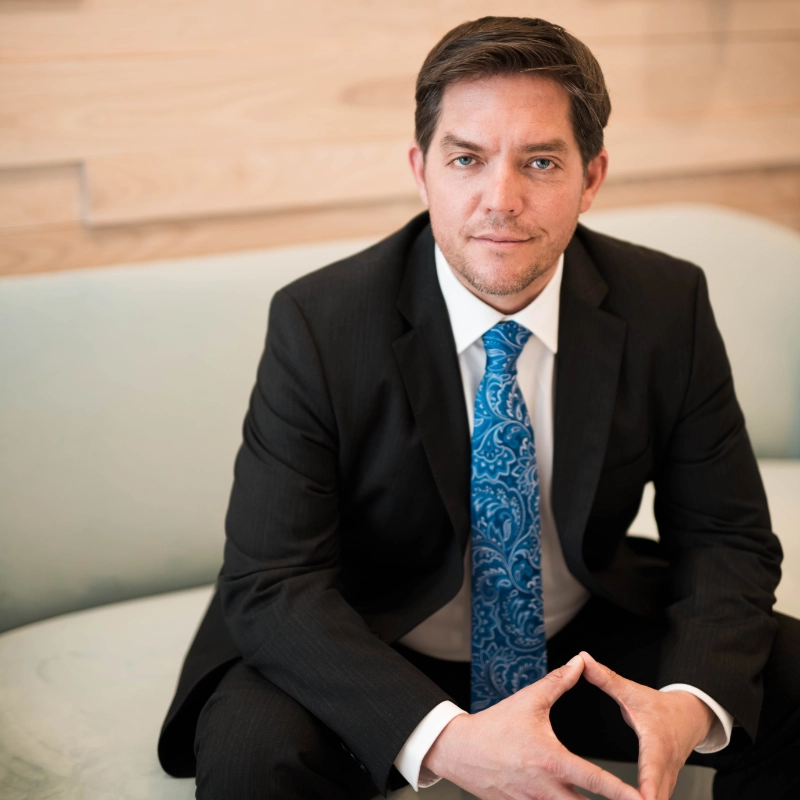
About Benjamin C. Stong MD & Kalos Facial Plastic Surgery LLC
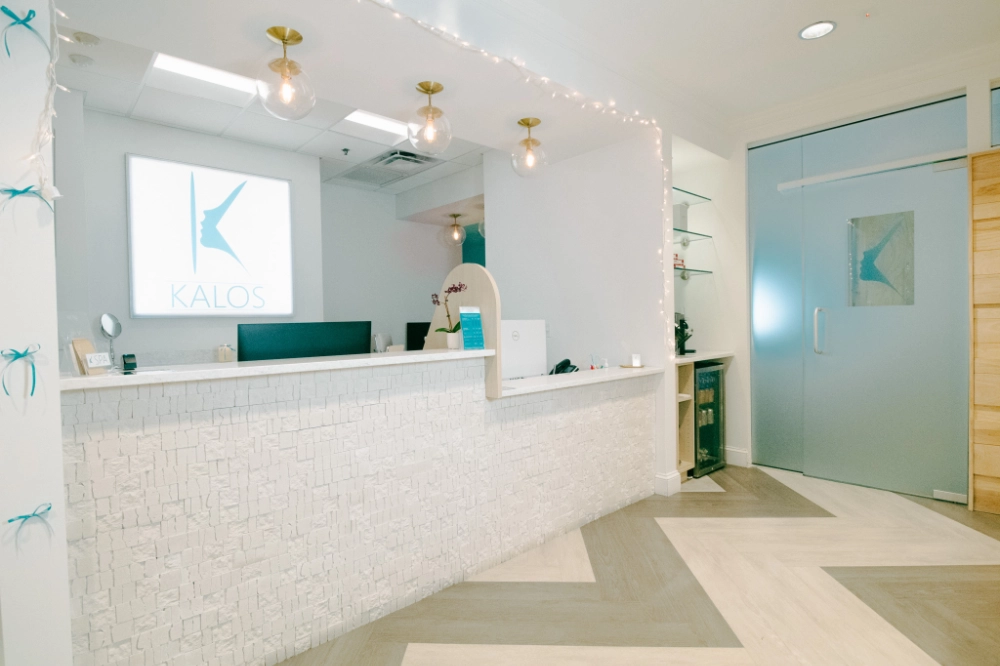
Kalos Facial Plastic Surgery LLC is owned and led by Dr. Benjamin Stong, a world-class facial plastic surgeon with highly esteemed training, experience and recognition in his field. When it comes to the full range of facial plastic surgeries and skin rejuvenation procedures that Kalos offers, Dr. Stong understands the careful blend of art and science that it takes to create exceptional, natural-looking results.

Schedule Your Atlanta Rhinoplasty Consultation
If you are considering rhinoplasty in Atlanta and are seeking a sophisticated, highly customized approach focused on facial harmony, structural integrity, and individualized refinement, Dr. Benjamin Stong and the team at Kalos Facial Plastic Surgery provide advanced rhinoplasty care designed around the unique balance of your face and your personal aesthetic goals.
Through meticulous surgical expertise, structural rhinoplasty principles, advanced facial analysis, and an artistic understanding of facial aesthetics, Dr. Stong helps patients achieve rhinoplasty results that appear balanced, refined, elegant, and authentically their own. Call our office today to book your consultation.