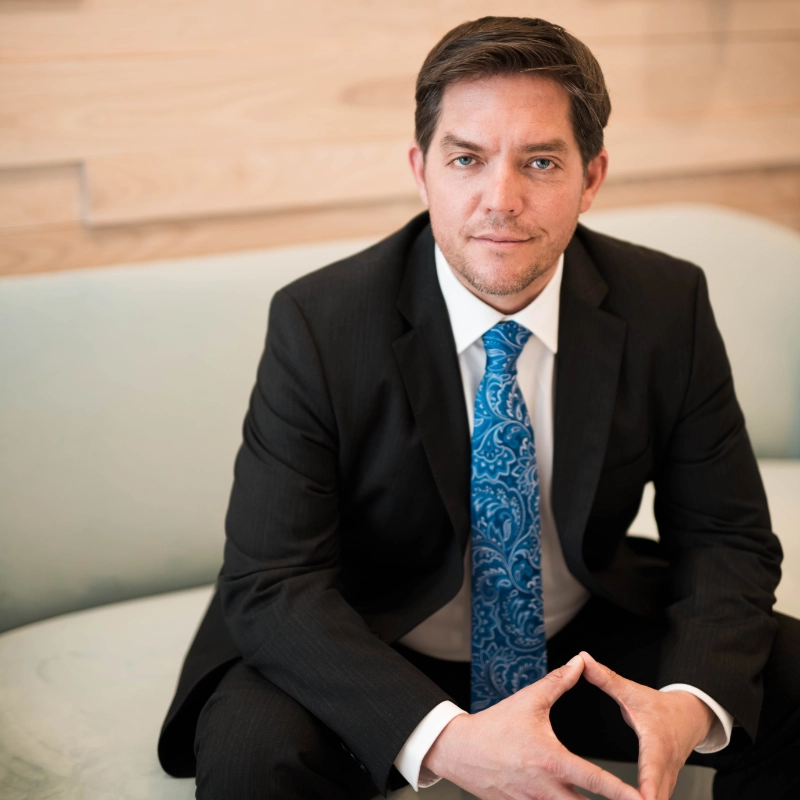
The KalosLift Facelift is Dr. Benjamin C. Stong’s comprehensive approach to advanced deep plane facelift surgery. As a double board-certified facial plastic surgeon specializing exclusively in surgery of the face, head, and neck, Dr. Stong developed the KalosLift technique to restore a youthful facial appearance while preserving natural expression and facial identity. Patients travel to Atlanta and Buckhead from across the United States seeking his expertise in advanced deep plane facelift surgery and structural facial rejuvenation.
Enhanced SMAS Repositioning and Cheekbone Definition
The KalosLift builds upon the principles of the deep plane facelift by focusing on repositioning the deeper facial support structures rather than relying on SMAS imbrication or plication techniques, or skin tightening alone. By releasing the facial retaining ligaments and fully mobilizing the SMAS layer, or superficial musculoaponeurotic system, the procedure restores structural support to the cheeks, jawline, and neck while maintaining natural facial movement.
A key advancement of the KalosLift technique is a more extensive release and vertical repositioning of the midface structures. This vertical elevation of the midface improves cheek projection and overall facial balance while also supporting the cheek–eyelid junction. As the midface is elevated, the lower eyelids are effectively unweighted and shortened, which can improve lower eyelid contour, reduce hollowing, and create a smoother transition between the eyelid and cheek.
Building upon this vertical midface elevation, a defining feature of the KalosLift technique is the ability to achieve more extensive SMAS repositioning following complete ligament release. This allows the SMAS flap to be repositioned in a controlled temporolateral direction over the cheekbone, creating natural soft tissue enhancement of the cheekbones and midface. By restoring volume and contour using the patient’s own tissues, this approach enhances cheekbone definition without the need for fat transfer, implants, or fillers, contributing to a more balanced and natural deep plane facelift result.
Another defining hallmark of the KalosLift procedure is SMAS periosteal fixation. During surgery, the repositioned SMAS layer is secured to stable skeletal structures using the periosteum, the connective tissue layer that covers the facial bones. Fixation points along the zygoma, or cheekbone, and the mastoid region behind the ear provide a stable anchor for facial suspension. Because the periosteum does not descend with age, this structural fixation helps improve both the initial surgical outcome and the long-term durability of facelift results.
Advanced Neck Rejuvenation with Platysma Elevation
In addition to midface rejuvenation, the KalosLift technique incorporates advanced platysma elevation and extended myotomy techniques to optimize neck contour and jawline definition. By fully mobilizing the platysma muscle and connecting the sub-SMAS dissection from the midface into the neck, Dr. Stong is able to achieve a more unified and comprehensive repositioning of the cheeks and neck. Extended myotomies allow for improved redistribution of tension within the platysma, enhancing lift at the cervicomental angle and creating a sharper, more defined neck contour. This approach represents a more complete correction compared to traditional techniques that rely primarily on limited platysma modification. Through this advanced structural approach to facial rejuvenation, the KalosLift integrates improved midface elevation, enhanced cheekbone definition, refined jawline contour, and advanced neck rejuvenation into a single comprehensive surgical procedure designed to achieve balanced, natural-looking facial rejuvenation.
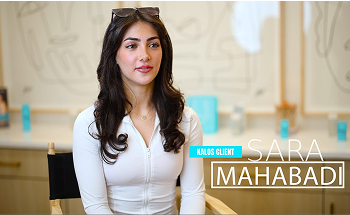
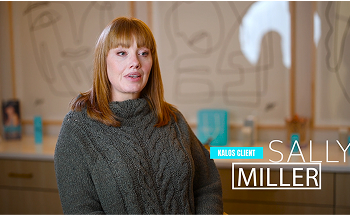
Dr. Stong did an amazing job. I had an eyebrow lift, eyelids, face and neck lift. It’s only been 3.5 weeks and I am thrilled with the new me already! He is highly qualified and I recommend him without hesitation. He and his office staff are professional, available and eager to make your experience a positive one.
Why Choose the KalosLift Facelift?
The KalosLift builds upon the principles of the deep plane facelift, a surgical technique designed to address the deeper structural causes of facial aging rather than limited SMAS techniques or tightening the skin alone. By elevating and repositioning the SMAS layer, or superficial musculoaponeurotic system, along with complete release of the facial retaining ligaments, the procedure restores support to the cheeks, jawline, and neck while maintaining natural facial movement and expression.
Dr. Stong’s KalosLift technique further refines the deep plane approach through SMAS periosteal suspension, securing the repositioned SMAS to stable skeletal structures such as the zygoma, or cheekbone, and the mastoid region behind the ear. Because the periosteum, the connective tissue covering the facial bones, does not descend with age, this structural fixation provides a stable foundation for the lift and may help improve the longevity and structural support of facial rejuvenation results.
Through this anatomy-based approach, the KalosLift focuses on restoring facial balance and support at the level where aging occurs, helping patients achieve natural-looking rejuvenation without an overly tight or artificial appearance.
Advanced Recovery and Healing Support
As part of the Advanced Deep Plane Facelift Center of Excellence, Dr. Stong incorporates a comprehensive postoperative recovery approach designed to support healing and optimize outcomes.
This includes the use of elective medical-grade hyperbaric oxygen therapy. Unlike lower-pressure wellness-based systems, medical-grade hyperbaric oxygen is delivered in a certified chamber at therapeutic pressure levels, allowing for increased oxygen delivery to facial tissues to facilitate healing at a cellular level.
This structured recovery protocol reflects a commitment to optimizing both surgical technique and postoperative healing as part of a comprehensive approach to facial rejuvenation.
What Sets the KalosLift Apart?
• Smaller incision patterns designed to minimize visible scarring
• Extended midface elevation to improve cheek contour and reduce nasolabial folds
• Release of facial retaining ligaments to allow natural repositioning of deeper facial tissues
• SMAS periosteal fixation to stable skeletal structures, including the zygoma and mastoid
• Advanced SMAS repositioning to enhance natural cheekbone definition
• Comprehensive neck rejuvenation using platysma elevation and extended myotomies
• Integrated rejuvenation of the midface, lower face, and neck in a single procedure
Rather than creating an overly tight or artificial appearance, the goal of the KalosLift is to restore natural facial structure and harmony so patients look refreshed and well-rested while still looking like themselves.


Why Atlanta Patients Turn to Kalos for Facial Rejuvenation
The population of Metro Atlanta has grown by over 1 million people in the last decade, with a significant increase in residents aged 40 and older seeking advanced cosmetic options. With more Atlantans interested in procedures that are discreet, effective, and long-lasting, the KalosLift meets a rising demand for facial rejuvenation without the stigma of obvious surgical signs.
Whether you’re a professional in Midtown, a retiree in Roswell, or a parent in Decatur, our centrally located Buckhead office provides a welcoming and private space to explore your options. We proudly help our patients make empowered, informed decisions about their appearance with results that reflect their individual beauty — not a one-size-fits-all standard.
Our team also assists Atlanta-based patients in navigating the ever-evolving world of facial aesthetics — from understanding facial anatomy and surgical options, to addressing common fears, budgeting concerns, and planning for recovery time. We understand the pace of life in Atlanta, and we design our treatment timelines and patient experience to accommodate that lifestyle without compromising quality.
Why Recovery Is Different After the KalosLift™
One of the defining characteristics of the KalosLift™ is that recovery is influenced by the philosophy behind the procedure itself. Rather than relying on skin tightening or limited tissue manipulation, the KalosLift™ restores facial anatomy by repositioning the deeper structural layers of the face and neck using advanced deep plane techniques.
This structural approach not only creates more natural, longer-lasting facial rejuvenation, but also supports a healing process that reflects the stability of those deeper repairs.
Structural Rejuvenation Rather Than Skin Tightening
The KalosLift™ utilizes full SMAS release, SMAS periosteal suspension, extensive ligament release, and vertical repositioning of the mudface soft tissues. Because the deeper support structures are repositioned rather than simply tightening the skin, excessive tension on the skin is minimized while youthful facial proportions are restored.
Why Neck Recovery Is Different
Dr. Stong’s approach incorporates extended platysma myotomies together with central and lateral platysmaplasties that function as a structural cantilever support system for the neck.
This allows restoration of a sharper cervicomental angle, improved jawline definition, and repositioning of deeper neck structures during the healing process. In many patients, this advanced approach also elevates the submandibular glands sufficiently that direct gland removal becomes unnecessary, avoiding the additional risks associated with gland excision.
Recovery of the Midface and Lower Eyelids
Because the KalosLift™ incorporates extensive SMAS mobilization and vertical midface elevation, patients frequently notice continued improvement in the relationship between the cheeks and lower eyelids as healing progresses.
Rather than relying on fillers, fat transfers, or implants, the KalosLift™ restores youthful cheek projection by repositioning the patient’s own facial tissues. As swelling resolves, patients often appreciate youthful shortening and smoother lower eyelids, enhanced cheek contour, and a more natural transition between the eyelids and midface.
Hyperbaric Oxygen Therapy
Recovery optimization is an important component of Dr. Stong’s overall treatment philosophy.
Medical-grade hyperbaric oxygen therapy (HBOT) is available for patients as part of the postoperative recovery process. By increasing oxygen delivery to healing tissues, HBOT supports tissue repair, reduces inflammation, minimizes bruising and swelling, and optimizes healing following advanced deep plane facelift surgery.
Long-Term Healing
Although patients typically return to normal daily activities within the first few weeks, the KalosLift™ continues to mature over the following months.
As the tissues soften and settle, patients often continue to appreciate progressive improvement in neck definition, jawline contour, cheek enhancement, lower eyelid rejuvenation, and overall facial harmony. This gradual refinement is one of the reasons the KalosLift™ is designed to produce natural, balanced results that continue to improve as healing progresses.
FAQs About the KalosLift Facelift
The KalosLift is Dr. Stong’s advanced deep plane facelift technique that repositions deeper structures using vertical lifting, advanced ligament release, and structural support to restore natural facial balance and achieve long-lasting results.
It incorporates full SMAS release, vertical midface elevation, and deeper structural support such as SMAS periosteal fixation rather than partial lifting techniques, allowing for more complete and natural facial rejuvenation.
Full SMAS release allows the deeper structural layer of the face to be mobilized and repositioned without tension in a vertical manner, producing more natural and longer-lasting results.
Vertical lifting repositions the face superiorly, rather than pulling it laterally, which better reverses natural facial aging and avoids a stretched or windswept appearance.
Ligament release allows the deeper facial structures to be repositioned more effectively, improving midface elevation and overall facial harmony.
SMAS periosteal suspension is an advanced technique that involves securing the deeper facial structures to stable anatomical foundations. By anchoring the SMAS layer at a deeper level, this approach can improve the longevity and stability of facelift results while maintaining a natural facial appearance.
By providing deeper structural support, SMAS periosteal suspension helps maintain the position of lifted tissues over time and contributes to longer-lasting, more stable outcomes.
Platysma elevation refers to the complete release, repositioning, and support of the platysma muscle in the neck, which plays a key role in jawline definition and neck contour.
The platysma muscle contributes to banding and loss of definition in the neck. Elevating and repositioning this muscle allows for smoother, more youthful neck definition.
Dr. Stong incorporates advanced platysma management techniques, including extended platysma myotomies with both central and lateral platysmaplasty support. This allows the neck structures to be repositioned in a more powerful and natural manner, helping create a sharper cervicomental angle and a more defined neck and jawline.
Dr. Stong’s approach uses advanced structural support concepts with extended platysma myotomies for improved muscle release and dual platysmaplasties that function as a fulcrum in a cantilever-style fashion to create improved lifting support in the neck. By adding controlled structural lifting and repositioning the platysma appropriately, the technique improves neck contour, enhances jawline definition, and can elevate the submandibular glands. This often makes direct gland removal unnecessary and may help avoid additional risks associated with gland removal procedures, including sialocele formation or facial nerve weakness.
Absolutely, yes. Through advanced platysma elevation and structural neck support techniques, Dr. Stong is often able to improve the appearance and position of the submandibular glands without directly removing them. This can improve neck contour while helping patients avoid additional procedures that may carry increased risks.
Dr. Stong’s deep plane facelift technique treats the cheeks and neck as a single unit. By combining deep plane lifting with platysma elevation and structural support techniques, he creates balanced, natural rejuvenation.
Dr. Stong views facial aging as a combination of structural descent and volume distribution issues. His approach focuses on repositioning deeper structures and restoring youthful volume ratios rather than simply pulling skin tighter or adding volume indiscriminately.
Yes. By vertically elevating the midface, the KalosLift can shorten the vertical height of the lower eyelid, improve the transition between the lower eyelid and cheek, reduce the hollowing around the lower eyelid, and create a smoother, more youthful contour.
In some patients, midface elevation alone can improve the lower eyelid area, while others may benefit from lower eyelid blepharoplasty as well. This is determined by Dr. Stong during consultation based on the patient’s anatomy, lower eyelid support, skin quality, and aesthetic goals.
The lower eyelid and cheek junction is one of the most important areas in facial aging. If the midface is not restored properly, the eyes can continue to look tired even after a facelift. Dr. Stong’s technique is designed to improve this transition so the face looks refreshed, cohesive, and natural.
Dr. Stong views facial aging primarily as a volume distribution issue rather than simply fat loss. Once more youthful volume ratios are restored through proper vertical lifting and repositioning, adding volume with fat transfer is unnecessary. This allows the KalosLift to create a natural result without relying on adding volume to compensate for incomplete structural repositioning.
Aging involves sagging of soft tissues and volume distribution changes, not any significant fat atrophy or volume loss. Volume distribution issues are corrected by lifting and repositioning the deeper structures, not by adding volume. Unnecessary fat transfer can contribute to a result that appears unnatural or artificial.
As the face ages, the cheeks descend and flatten, contributing to a tired or aged appearance. The KalosLift restores the cheek tissues to a more youthful position improves facial balance, supports lower eyelid rejuvenation, and enhances the cheekbone area giving a subtle, yet natural cheekbone highlight. Dr. Stong’s vertical deep plane technique is specifically designed to restore these youthful volume ratios and facial balance.
Because deeper structures are repositioned vertically instead of tightened horizontally or laterally, patients often see a more natural appearance early in recovery as well as the long term. The goal is to reduce tension on the skin and support healing through deeper structural repositioning.
Patients typically experience 10 to 14 days of initial swelling and bruising, with a return to social activities in about 2 weeks and continued improvement over several months. Most before and after photos are taken around 3 to 6 months.
No. The KalosLift deep plane facelift technique does not necessarily result in additional downtime. Because the lift is based on structural repositioning rather than excessive skin tension, recovery can be very manageable for appropriate patients. Medical grade hyperbaric oxygen helps accelerate the healing process.
Patients follow a customized recovery protocol that includes activity guidance and close follow-up care. Dr. Stong also offers medical grade hyperbaric oxygen treatments to support tissue healing and help improve the recovery process.
Medical grade hyperbaric oxygen therapy increases oxygen delivery to healing tissues, which may help reduce inflammation, support tissue repair, and improve recovery after surgery. Dr. Stong incorporates this advanced recovery tool when appropriate as part of his commitment to optimizing healing and surgical outcomes.
Advanced deep plane facelift surgery depends on healthy tissue healing. Hyperbaric oxygen therapy supports body’s natural repair process by improving oxygen availability in the postoperative period. This may help patients recover more efficiently while helping achieve results faster.
Results last as long as possible due to deeper structural repositioning and suspension. Patients may consider a second facelift around 10 to 15 years, but they will be better off at every point going forward than they would have been without surgery.
Yes, but from a more youthful starting point.
Unnatural results are often caused by pulling the skin or muscle, or both, in the wrong direction, rather than repositioning deeper structures in a vertical orientation.
SMAS plication folds or tightens muscle on itself, while full release allows complete repositioning for improved, more natural long-term results.
Because not all techniques fully reposition the deeper structures in a vertical manner. Pulling tissues in the wrong direction can lead to pulled or unnatural results.
Older facelift techniques often look unnatural because they pull in the wrong direction, horizontally rather than vertically. Contemporary, advanced deep plane facelift experts, including Dr. Stong, lift much more vertically.
When performed by an experienced surgeon, it is a safe and the most effective technique designed to produce natural, long-lasting results.
About Kalos Facial Plastic Surgery, LLC – Atlanta’s Trusted Aesthetic Resource
Kalos Facial Plastic Surgery, under the leadership of Dr. Benjamin C. Stong, has built a reputation in the Atlanta area as a premier destination for advanced facial rejuvenation. Our clinic stands apart not only for the exceptional results we deliver, but for the way we guide our patients through every stage of their transformation — with honesty, transparency, and medical excellence.
Dr. Stong is one of the only facial plastic surgeons in Georgia who is double board-certified in both:
- Facial Plastic and Reconstructive Surgery
- Otolaryngology – Head and Neck Surgery
He is fellowship-trained under Dr. Andrew Jacono, a global leader in the deep plane facelift technique, and brings this rare level of surgical mastery to patients in the Southeast.
Our practice understands that for many in Atlanta’s diverse and dynamic population, cosmetic surgery can feel overwhelming. We specialize in walking patients through the process — offering detailed consultations, educational resources, and a judgment-free environment where patients are encouraged to ask questions and share concerns. From your first consultation through recovery, our Atlanta-based team ensures your journey is clear, compassionate, and confidence-building.

Book Your Private Facelift Consultation in Atlanta
If you’ve been considering a facelift, trust your face to one of the nation’s top surgeons. Dr. Benjamin C. Stong offers world-class facial rejuvenation in a boutique setting with proven, natural results. Call our office or use our online form to schedule your confidential facelift consultation today. Discover the KalosLift — Atlanta’s most advanced and personalized facelift solution.
Medically reviewed by Benjamin C. Stong MD on