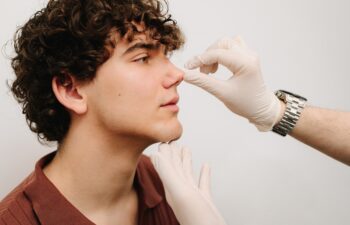
When a rhinoplasty doesn’t deliver the results you expected, it can be frustrating and emotional. Many patients immediately begin looking for ways to correct the issue and often ask the same question: how soon can revision rhinoplasty be performed?
At Kalos Facial Plastic Surgery, LLC in Atlanta, GA, we guide patients through this process with honesty, expertise, and a focus on achieving the best possible long-term outcome.
Why You Can’t Rush Revision Rhinoplasty
While it’s understandable to want a quick fix, revision rhinoplasty typically requires patience. In most cases, surgeons recommend waiting at least 12 months after the initial procedure before undergoing revision surgery.
This waiting period is important because:
- Swelling can take months to fully resolve
- Nasal tissues need time to stabilize
- The final results of the first surgery may not be visible right away
Operating too soon can increase the risk of complications and make it harder to achieve optimal results.
Why Revision Surgery Is More Complex
Revision rhinoplasty is often significantly more challenging than primary rhinoplasty. The nose has already been altered, and the surgeon must work with:
- Scar tissue from the previous procedure
- Reduced or weakened cartilage
- Changes in nasal structure
- Potential breathing issues
Studies show that revision rhinoplasty accounts for approximately 5–15% of all rhinoplasty procedures, highlighting how common the need for correction can be.
Because of these complexities, revision surgery requires a higher level of precision, planning, and experience.
Common Reasons Patients Seek Revision
Patients pursue revision rhinoplasty for both cosmetic and functional reasons.
These may include:
- Persistent asymmetry or irregularities
- Over-reduction or collapse of the nasal structure
- Breathing difficulties
- Unsatisfactory aesthetic results
In many cases, both appearance and function need to be addressed together.
The Importance of Choosing the Right Surgeon
Selecting a qualified and experienced surgeon is critical, especially for revision procedures. This is not the time to take chances.
Dr. Benjamin Stong is a double board-certified facial plastic surgeon and otolaryngologist, giving him a deep understanding of both nasal aesthetics and function. This dual expertise is essential when correcting prior surgical outcomes that may have impacted breathing as well as appearance.
Dr. Stong completed a fellowship in Facial Plastic and Reconstructive Surgery at Albert Einstein School of Medicine, where he trained under nationally recognized experts in advanced rhinoplasty and revision techniques. His experience includes managing complex cases involving structural grafting, scar tissue, and previous surgical complications.
What Happens During the Waiting Period?
Although waiting can be difficult, this time is valuable. It allows your surgeon to fully evaluate the results of your initial procedure and develop a precise surgical plan.
During this period, patients can:
- Monitor how swelling changes over time
- Identify specific concerns and goals
- Prepare for a more successful revision
In some cases, minor concerns may even improve on their own as healing continues.
Setting Realistic Expectations
Revision rhinoplasty can deliver excellent results, but it’s important to understand that it is a highly individualized procedure. The goal is to improve both form and function while working within the limitations of the existing anatomy.
With the right timing and surgical expertise, patients can achieve a more balanced, natural-looking result.
Take the Next Step Toward Confidence
If you’re unhappy with the outcome of a previous rhinoplasty, you’re not alone, and options are available. The key is approaching revision surgery with patience and the guidance of an experienced specialist.
Schedule a consultation with Kalos Facial Plastic Surgery in Atlanta, GA, to discuss your concerns and learn when the timing is right for your revision rhinoplasty.
Medically reviewed by Benjamin C. Stong MD on
Posted on behalf of
371 East Paces Ferry Rd, Suite 850
Atlanta, GA 30305
Phone: (404) 963-6665
Email: [email protected]
Opening Hours
Monday – Thursday: 9:00 AM – 5:00 PM
Friday: 9:00 AM – 4:00 PM